
Latest news
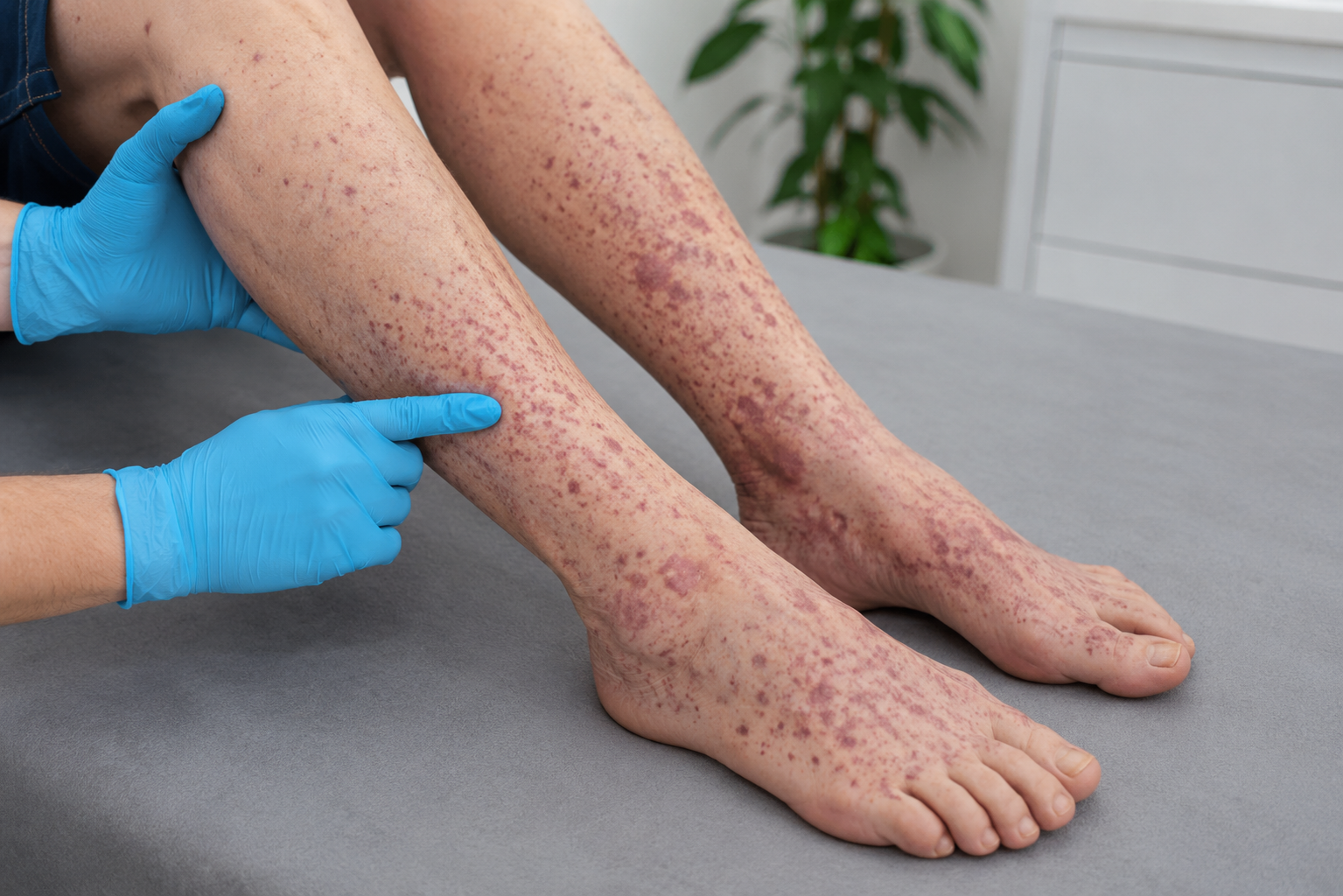


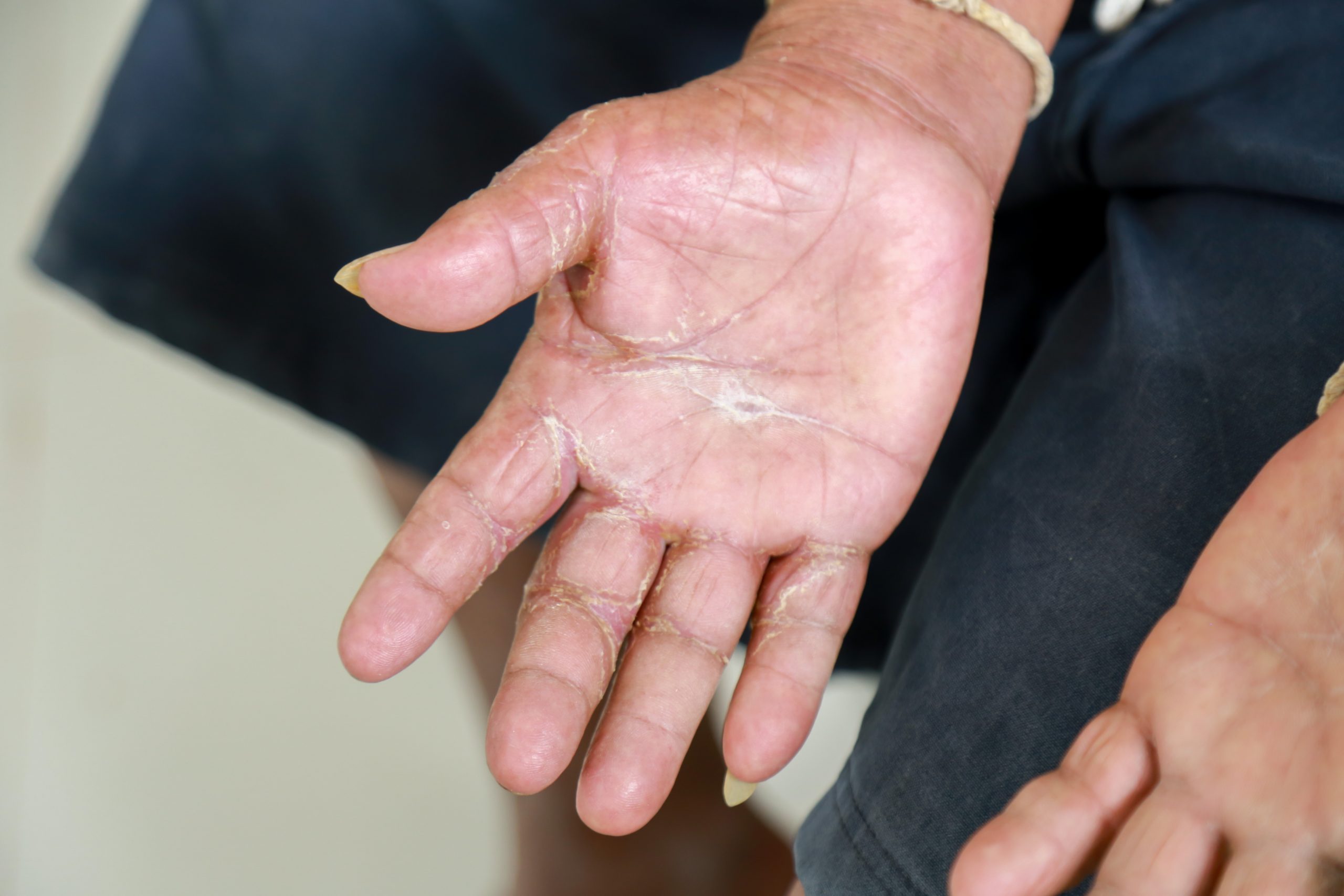







ANCA-associated vasculitis: the 2022 ACR/EULAR classification criteria and the role of IVD antibody testing
ANCA antibody testing plays a central role in the 2022 American College of Rheumatology/European Alliance of Associations for Rheumatology (ACR/EULAR) classification criteria for ANCA-associated vasculitis (AAV). A recent study1 evaluating these criteria in children provides a useful entry point into the classification of AAV. Although the criteria were developed from adult cohorts, the pediatric analysis supports their ability to separate granulomatosis with polyangiitis (GPA) from microscopic polyangiitis (MPA) more consistently. These criteria performed at least as well as the previous pediatric criteria2 and established categorical MPA criteria where none existed before. These findings support using the 2022 criteria over the previous pediatric criteria as a more consistent framework for classifying pediatric GPA and MPA, though further validation remains necessary, particularly for EGPA.
While the pediatric study supports the applicability of the 2022 criteria in children, the broader strength of the ACR/EULAR framework lies in its integration of laboratory, clinical, imaging, and histopathological variables into disease-specific weighted scores. These criteria cover GPA3, MPA4, and eosinophilic granulomatosis with polyangiitis (EGPA)5 and are intended for classification rather than stand-alone diagnosis.
Granulomatosis with polyangiitis (GPA)
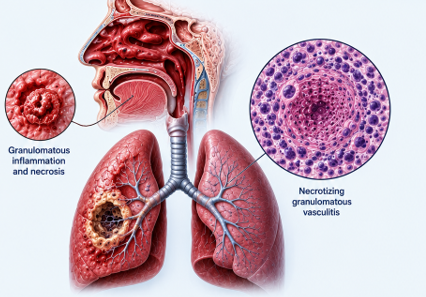
GPA is a necrotizing granulomatous vasculitis that typically involves the upper and lower respiratory tracts and may cause pauci-immune glomerulonephritis. Laboratory findings are particularly important because PR3-ANCA or cANCA positivity contributes +5 points, which is enough to reach the full classification threshold for GPA. MPO-ANCA or pANCA positivity contributes -1 point, while marked eosinophilia argues against this classification.
Microscopic polyangiitis (MPA)
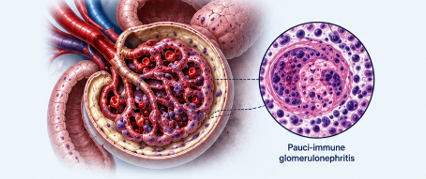
MPA is a predominantly small-vessel, non-granulomatous vasculitis frequently associated with rapidly progressive glomerulonephritis, pulmonary capillaritis, and, in some patients, interstitial lung disease. MPO-ANCA or pANCA is the strongest classifier, contributing +6 points against a threshold of 5. PR3-ANCA or cANCA and eosinophilia reduce the score.
Eosinophilic granulomatosis with polyangiitis (EGPA)
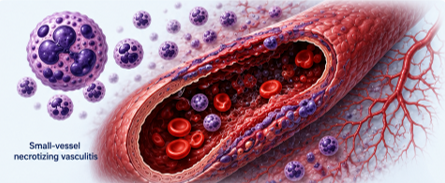
EGPA combines asthma or obstructive airway disease, eosinophilia, eosinophilic tissue inflammation, and systemic vasculitis, often with neuropathic, pulmonary, cardiac, cutaneous, or renal manifestations. The decisive laboratory classifier is a blood eosinophil count of at least 1 × 10⁹/L, worth +5 points. PR3-ANCA or cANCA contributes -3 points because this pattern favors GPA; MPO-ANCA may support an ANCA-positive vasculitic phenotype but is not independently weighted in the EGPA score because it does not adequately discriminate EGPA from MPA. A complete blood count with differential is therefore indispensable.
Key laboratory weights in the 2022 ACR/EULAR criteria
| Classification variable | GPA | MPA | EGPA |
|---|---|---|---|
| PR3-ANCA or cANCA | +5 | −1 | −3 |
| MPO-ANCA or pANCA | −1 | +6 | 0* |
|
Key additional laboratory item Eosinophils ≥1 × 10⁹/L |
−4 | −4 | +5 |
| Classification threshold | ≥5 | ≥5 | ≥6 |
ANCA antibody testing: Laboratory diagnostic strategy and interpretation
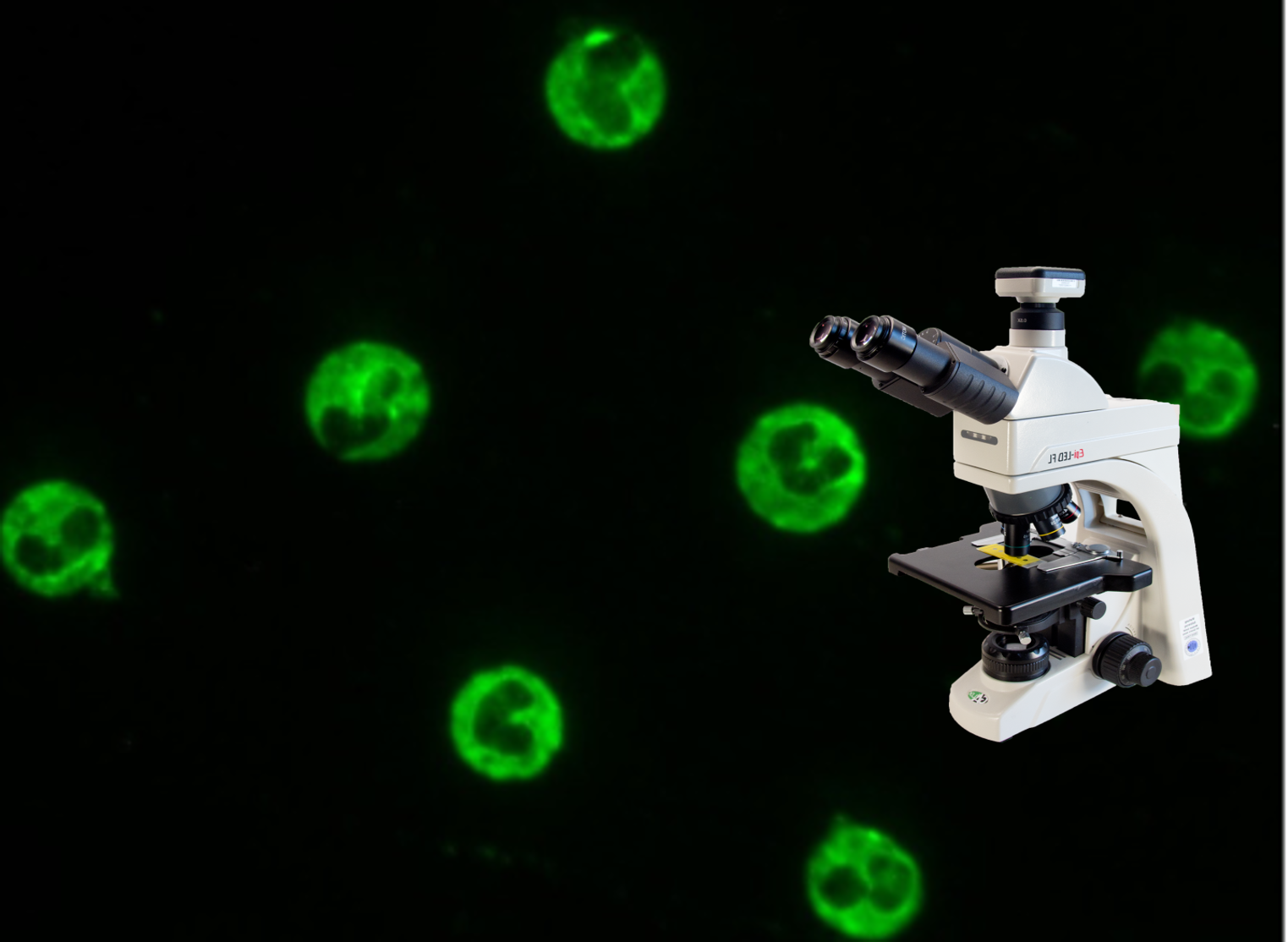
Current EULAR recommendations in diagnosis6 advise testing both PR3-ANCA and MPO-ANCA with high-quality antigen-specific immunoassays as the primary method. Indirect immunofluorescence remains useful when initial immunoassays are negative despite strong clinical suspicion, but cANCA and pANCA describe staining patterns and are not interchangeable with PR3 and MPO specificity. Anti-GBM antibody testing is particularly important in pulmonary-renal syndromes. Complement, cryoglobulins, immunoglobulins, infection testing, ANA and disease-specific autoantibodies, and monoclonal protein studies may help exclude alternative diagnoses.
Integrated IVD solutions for ANCA antibody testing
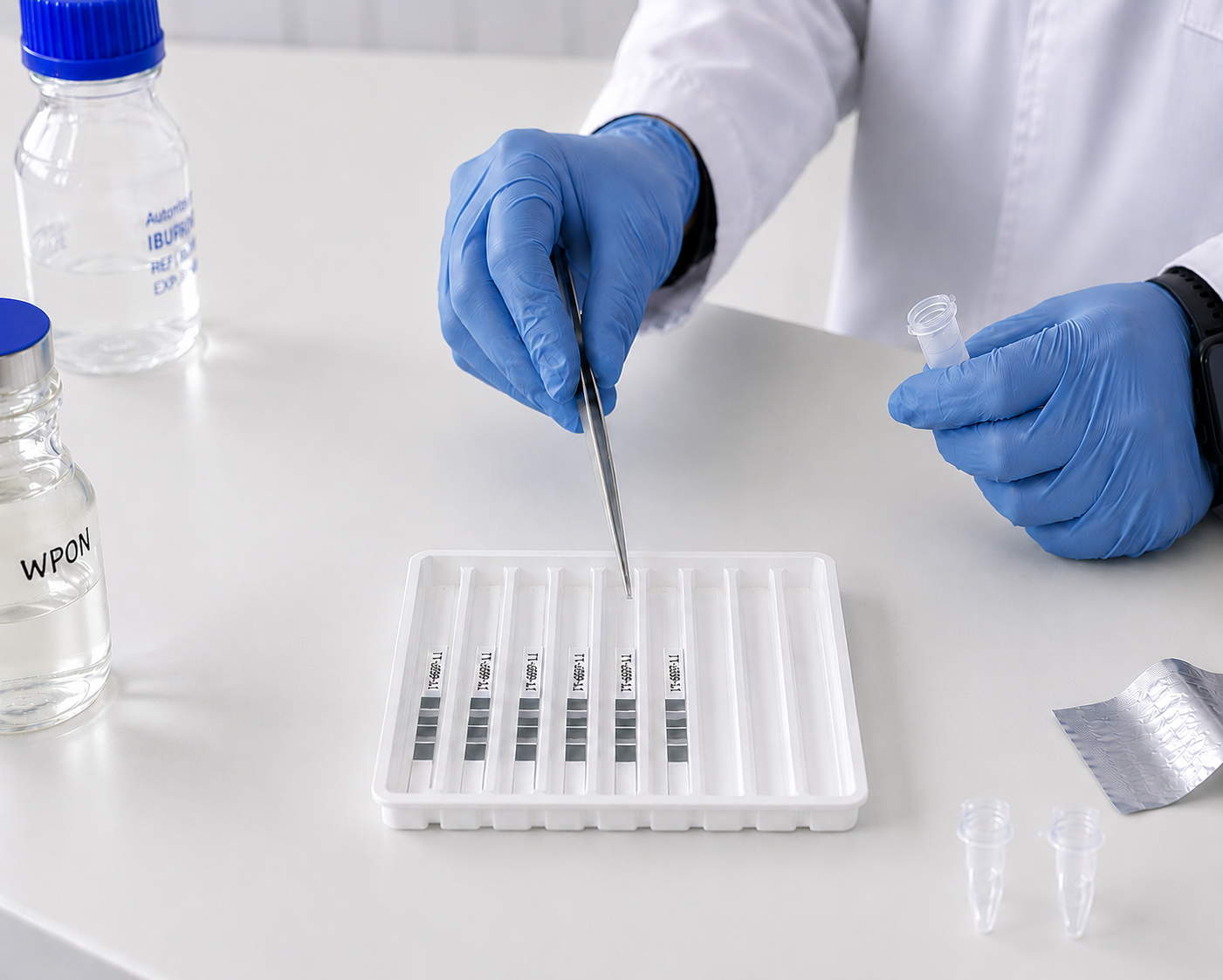
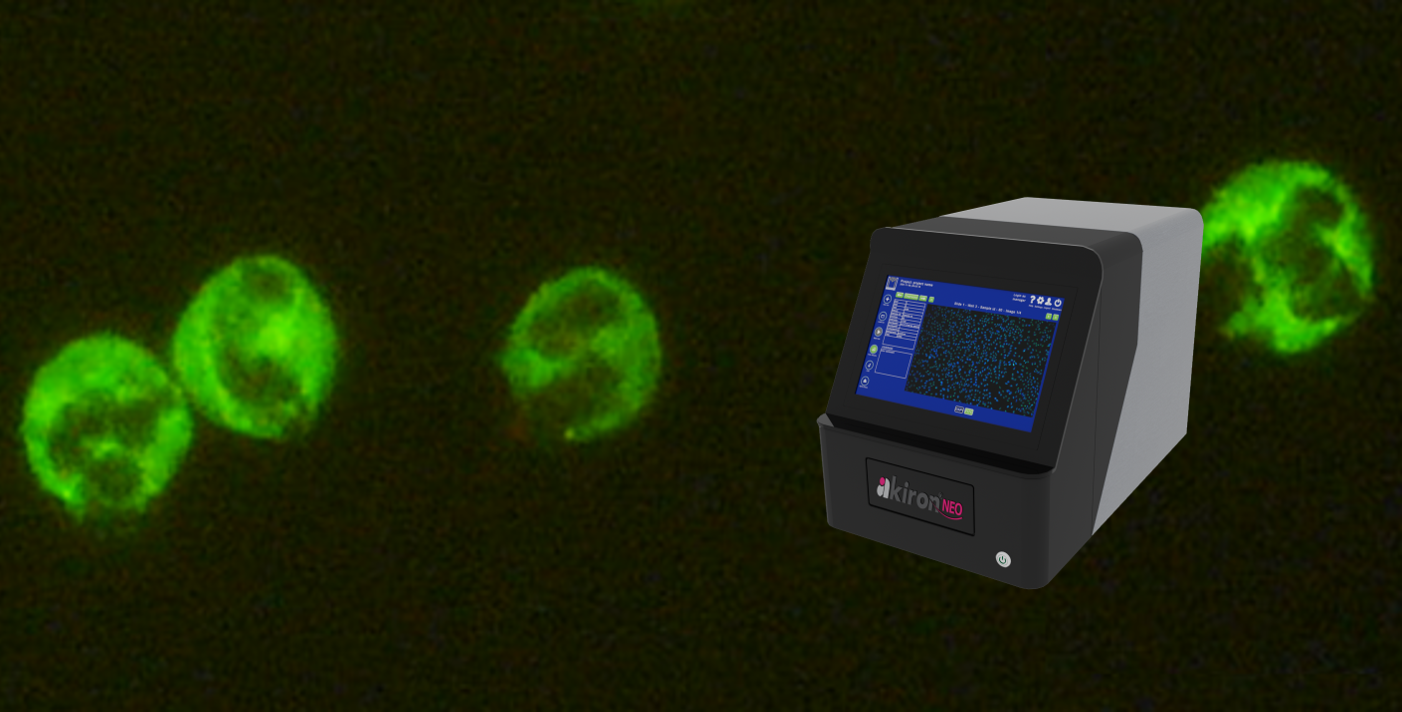
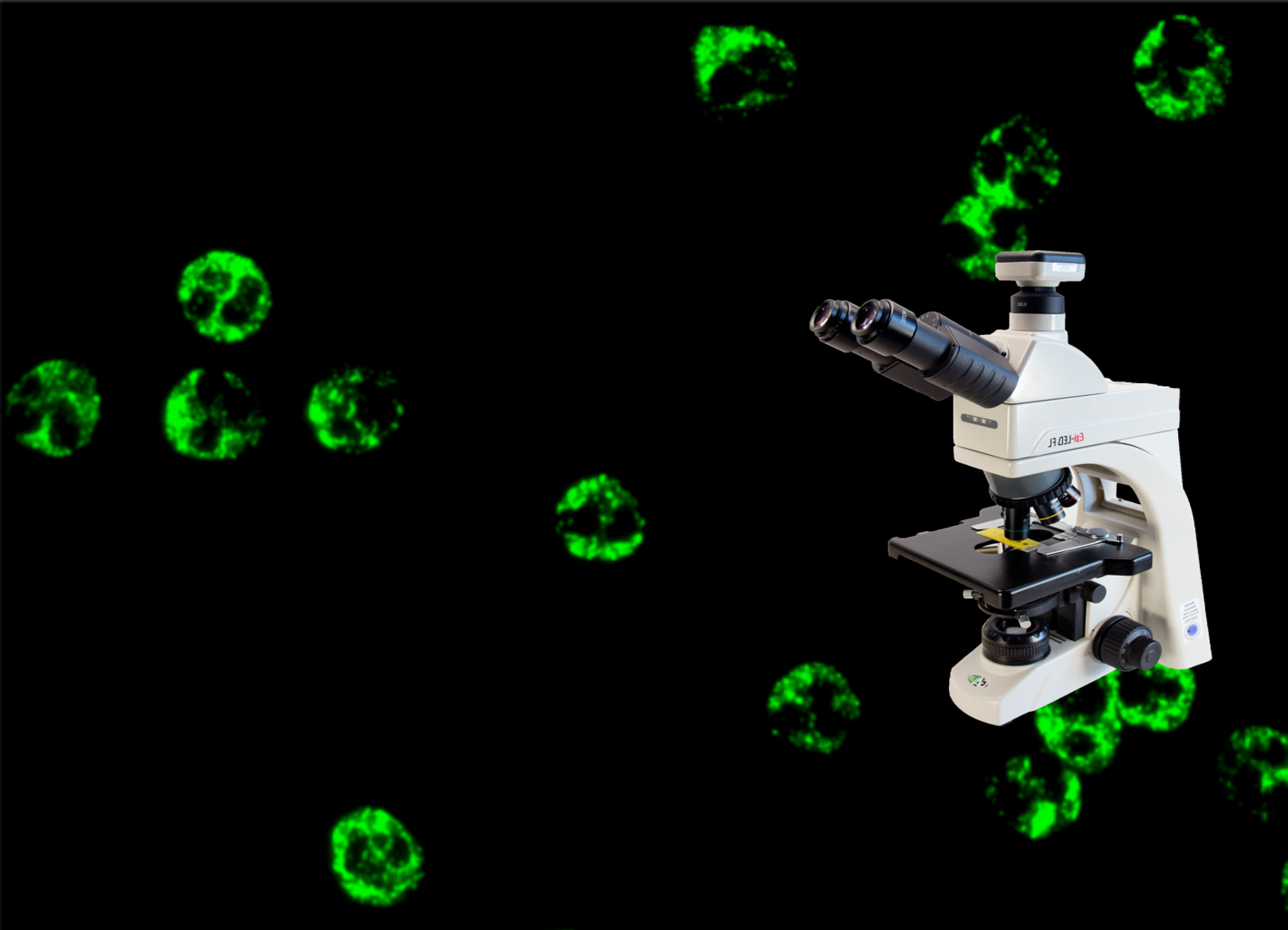
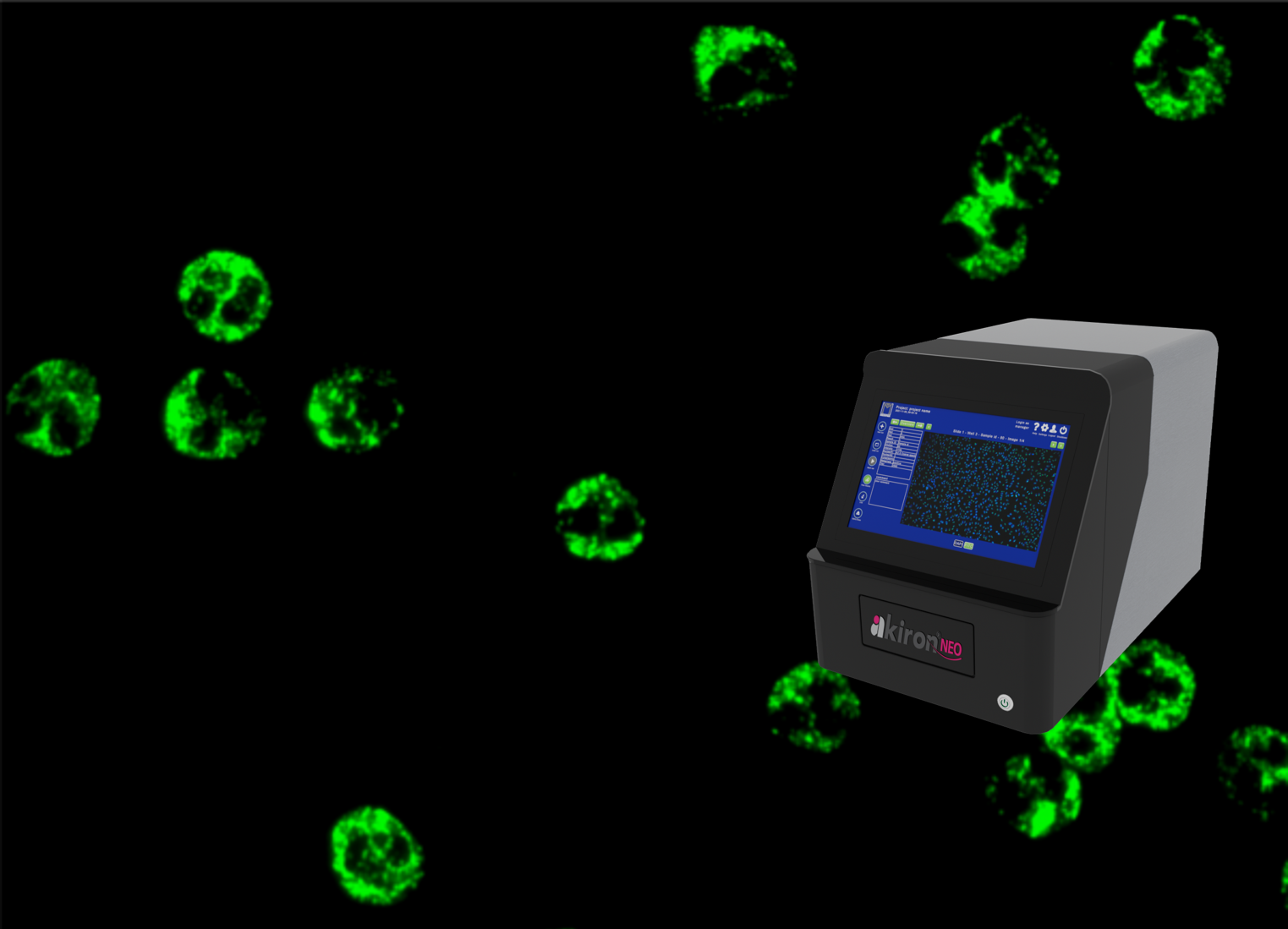
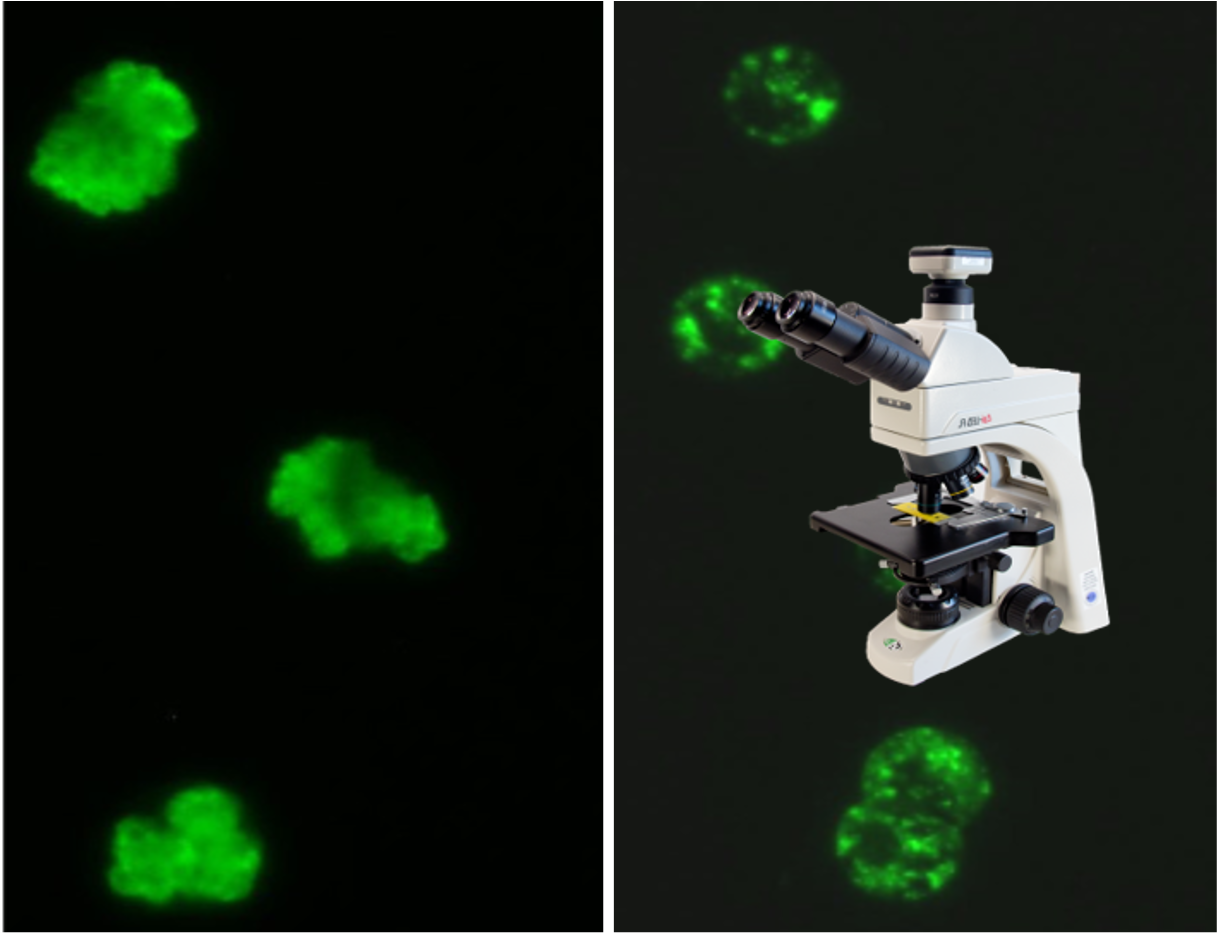
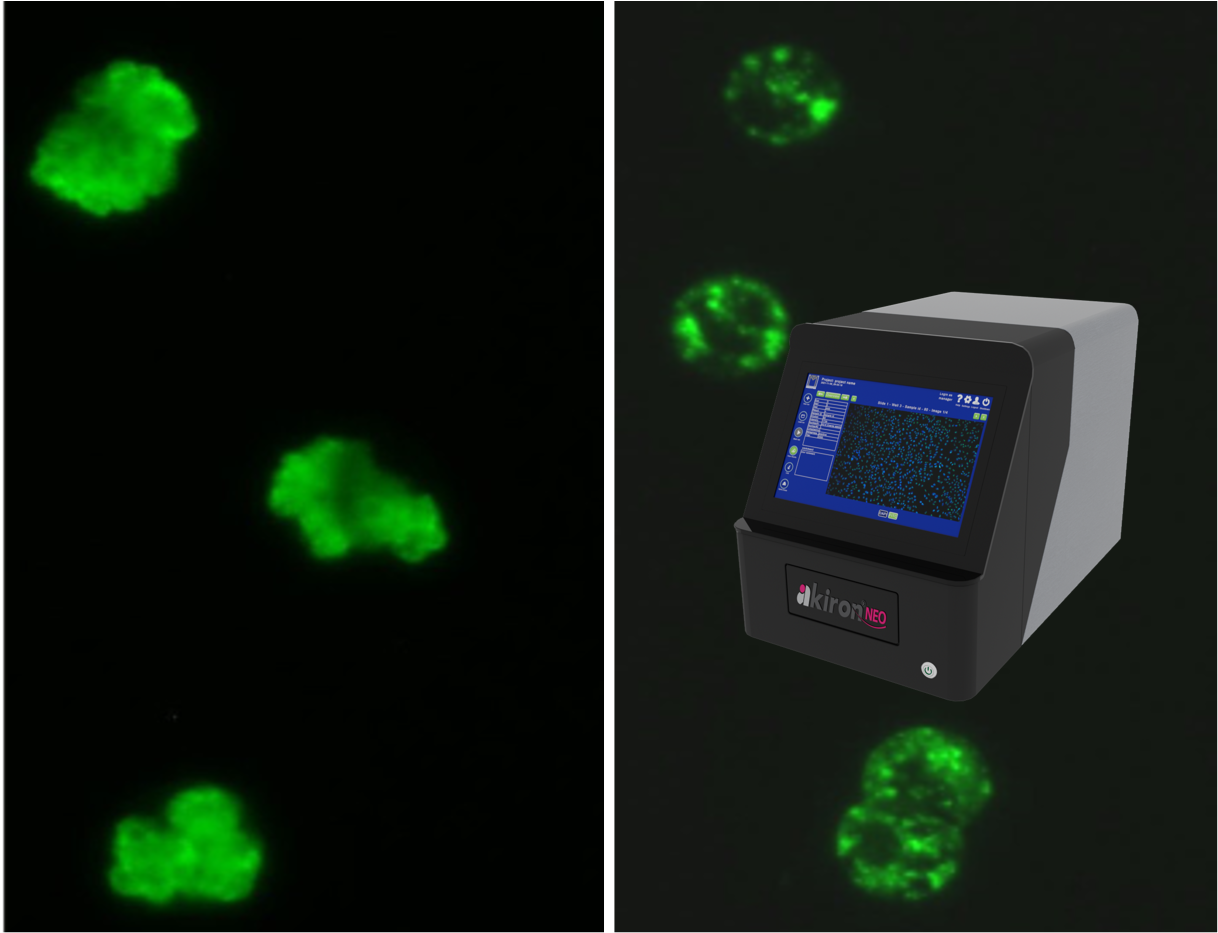
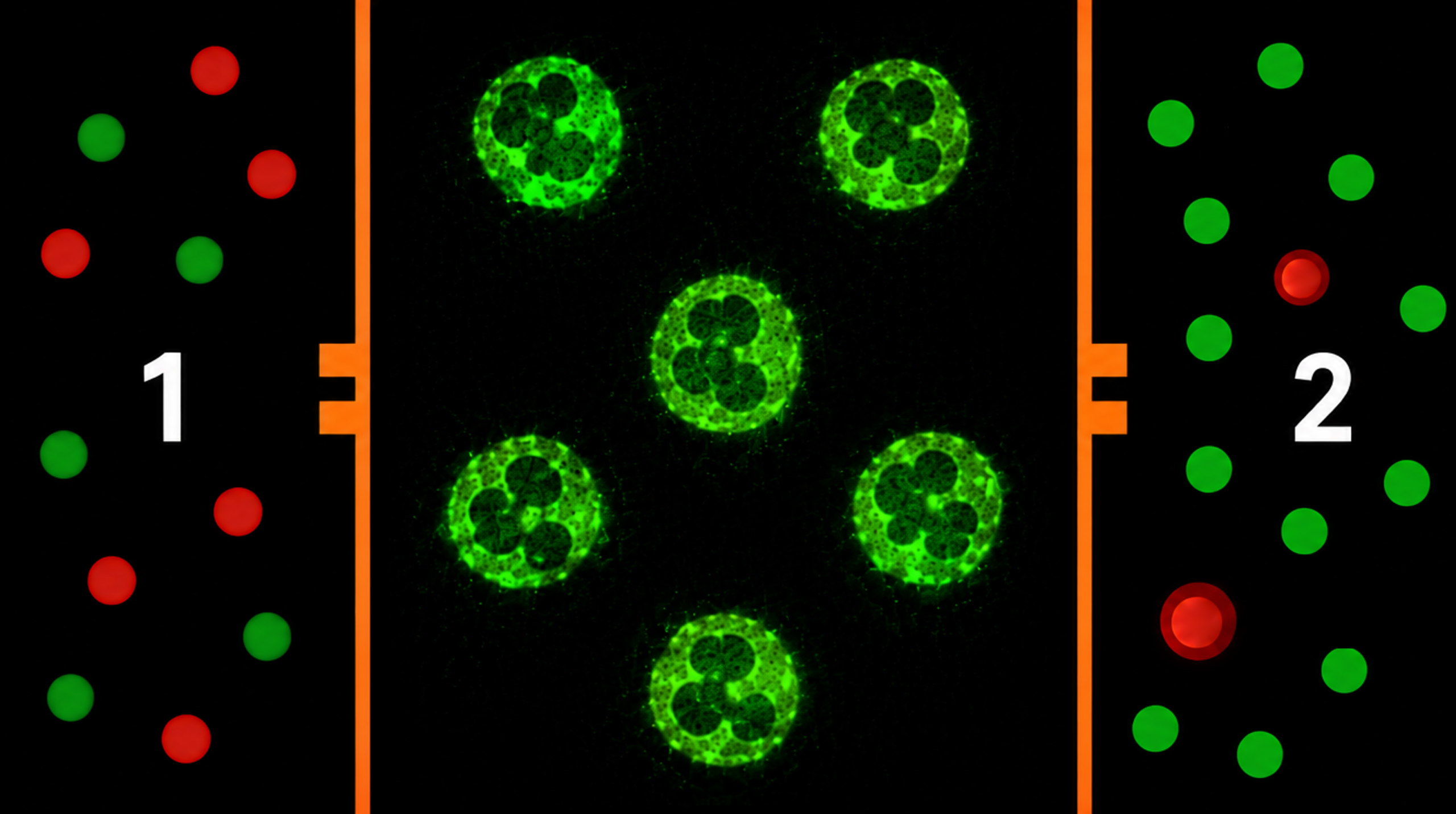
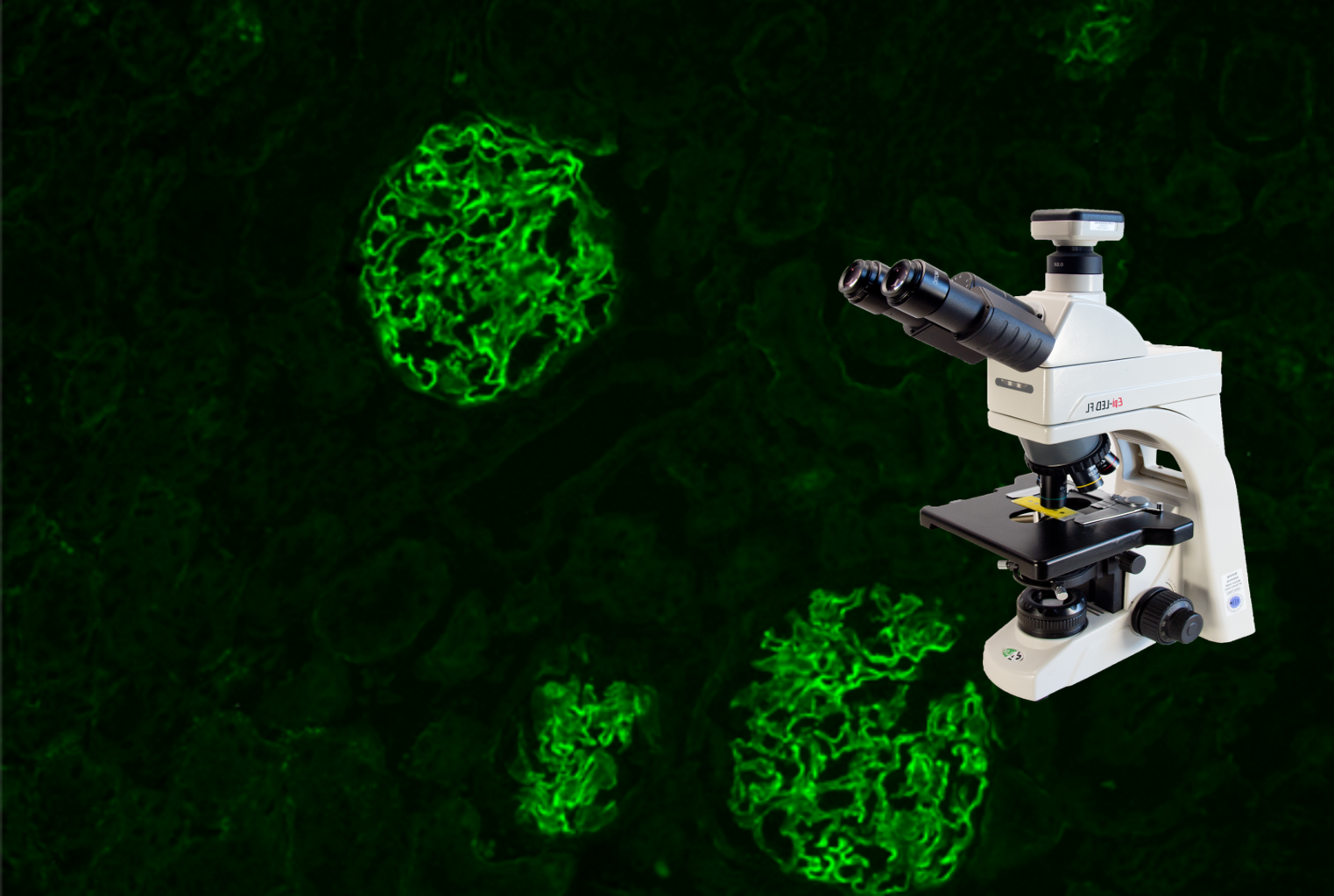
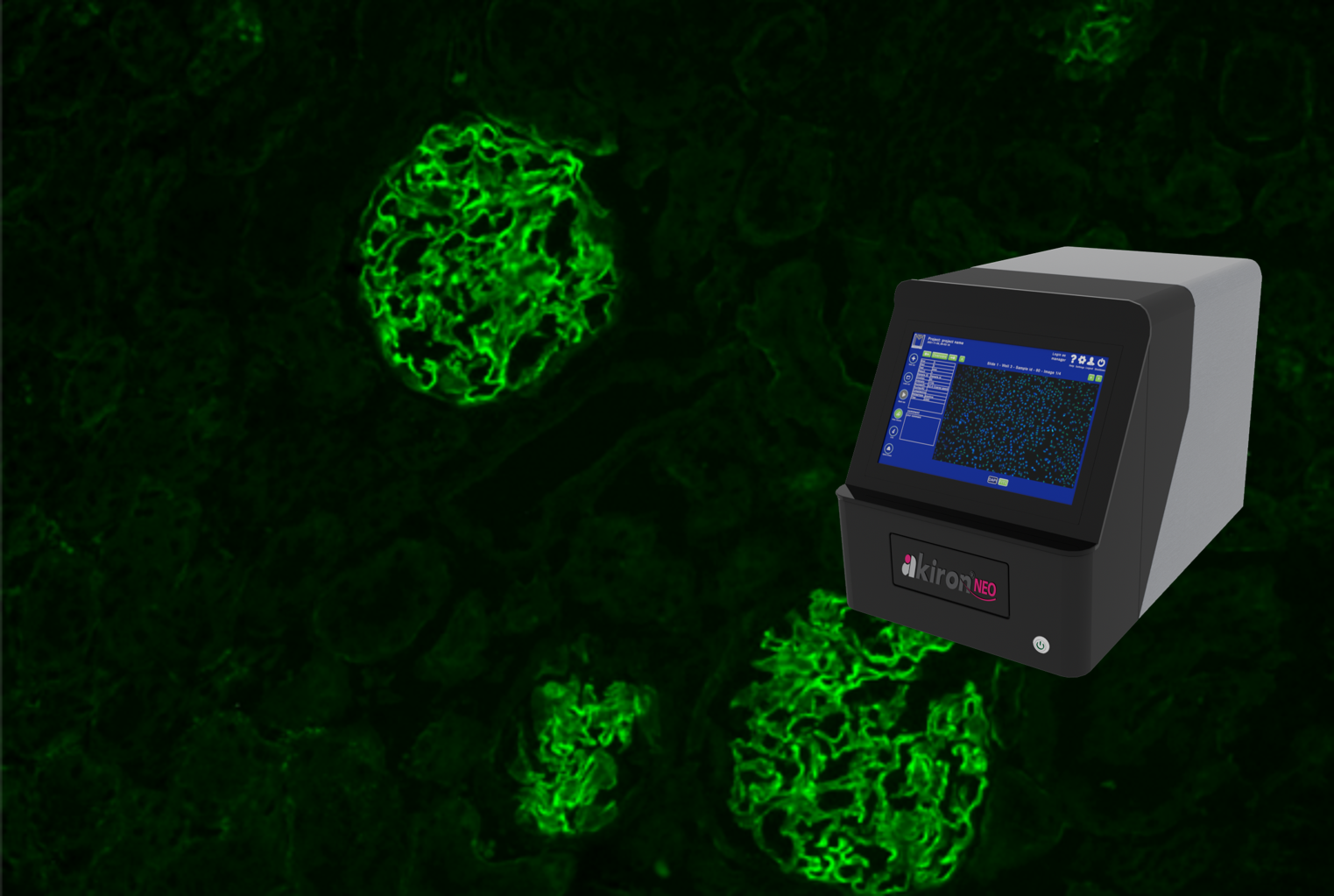
Medipan & GA Generic Assays provide an integrated IVD portfolio for ANCA antibody testing covering high-quality antigen-specific immunoassays, ANCA pattern detection, and the differential diagnosis of autoimmune diseases. High-quality antigen-specific immunoassays include quantitative Anti-PR3 hs and Anti-MPO ELISAs as well as manual and automated ANCA immunoblots. Manual and automation-ready IFA solutions include ethanol-fixed granulocytes, formalin-fixed granulocytes, as well as a dual presentation for parallel evaluation of both substrates. Second-generation IFA solutions based on CytoBead® Technology combine ANCA pattern recognition with quantitative determination of PR3-, MPO-, and GBM-specific IgG antibodies in a single test. The portfolio is complemented by additional assays for differential diagnostics, including ANA and anti-GBM.
High-quality antigen-specific ANCA immunoassays
View all products
ANCA testing by indirect immunofluorescence (IFA)
View all products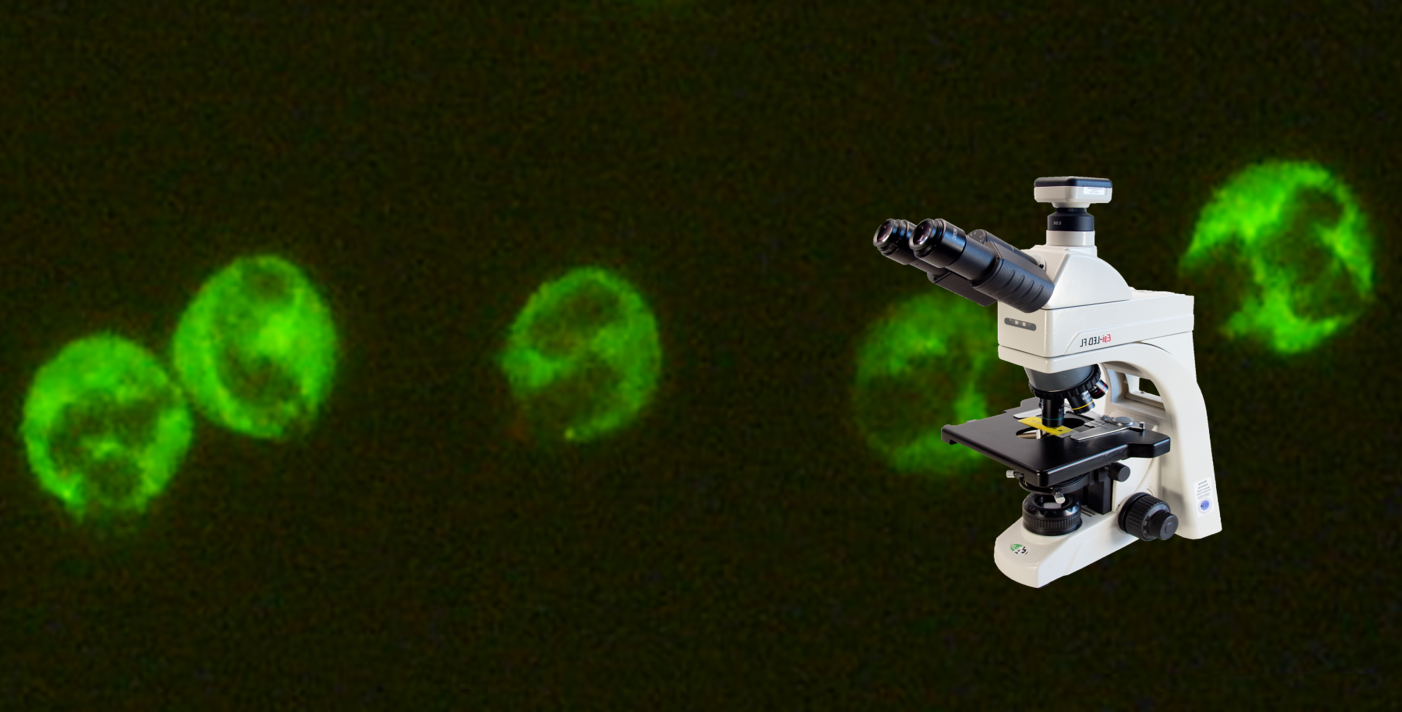
References
- Cabral et al., 2026 Effective Performance of the 2022 American College of Rheumatology/EULAR Classification Criteria for Antineutrophil Cytoplasmic Antibody-Associated Vasculitis in Pediatric Patients: An ARChiVe Study ↩︎
- Ruperto et al., 2010 EULAR/PRINTO/PRES criteria for Henoch-Schönlein purpura, childhood polyarteritis nodosa, childhood Wegener granulomatosis and childhood Takayasu arteritis: Ankara 2008. Part I: Overall methodology and clinical characterisation ↩︎
- Robson et al., 2022 ACR/EULAR Classification Criteria for Granulomatosis With Polyangiitis ↩︎
- Suppiah et al., 2022 ACR/EULAR Classification Criteria for Microscopic Polyangiitis ↩︎
- Grayson et al., 2022 ACR/EULAR Classification Criteria for Eosinophilic Granulomatosis With Polyangiitis. Arthritis & Rheumatology ↩︎
- Hellmich et al., 2024 EULAR recommendations for the management of ANCA-associated vasculitis: 2022 update ↩︎