
3021, 3321 – D-Dimer Latex
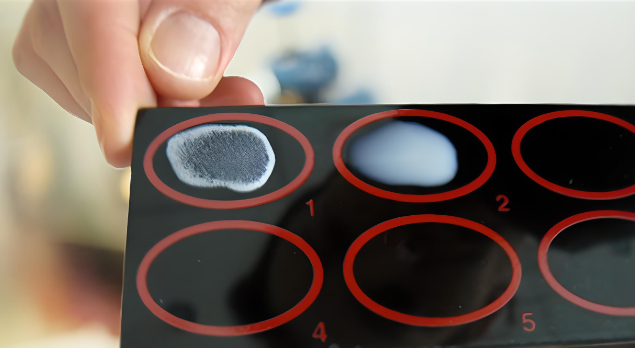
Highlights

  • Use of latex immunoassay for the detection of D-Dimer (XL-FDP)
  • Qualitative and semi-quantitative determination in human plasma
  • Aids in the diagnosis of thrombotic and embolic events
  • High diagnostic relevance in the assessment of fibrinolysis
  • CE marked

Intended Use

The D-Dimer Latex is a qualitative and semi-quantitative immunoassay for the determination of circulating derivatives of cross-linked fibrin degradation products (XL-FDP, D-Dimer) in human plasma. The D-Dimer Latex is intended as an aid in the diagnosis of embolic or thrombotic events in conjunction with other clinical and laboratory findings. The immunoassay is designed for manual professional in vitro diagnostic use.


Diagnostic Relevance

Fibrinolysis and Blood Coagulation

Fibrinolysis, the catalytic breakdown of fibrin in blood clots, is an important component of the regulation of blood coagulation and plays a crucial role in the removal of thrombi. During the coagulation process, activation of thrombin converts the soluble plasma protein fibrinogen into fibrin. This fibrin initially polymerizes to form a non–cross-linked, soluble fibrin gel.

Subsequently, thrombin activates coagulation factor XIII, which stabilizes the fibrin network by forming cross-links between fibrin fibers. This process transforms the soluble fibrin gel into a stable and insoluble fibrin clot that contributes to effective hemostasis. At the same time, the fibrinolytic pathway is initiated, leading to the formation of plasmin, the principal enzyme responsible for clot degradation.

Formation of D-Dimer

The fibrinolytic enzyme plasmin cleaves both fibrinogen and fibrin into smaller degradation products. However, only the degradation of cross-linked fibrin generates specific fragments known as D-Dimer. These fragments originate from cross-linked fibrin degradation products (XL-FDP) and therefore indicate that fibrin clot formation and subsequent breakdown have occurred.

Because D-Dimer is produced exclusively from the degradation of cross-linked fibrin, it serves as an important diagnostic marker for activated coagulation and fibrinolysis. Measurement of D-Dimer levels in blood is widely used in clinical diagnostics to support the detection or exclusion of thrombotic disorders. Elevated D-Dimer levels can indicate increased clot formation and breakdown in the body and therefore provide valuable information in the assessment of conditions associated with abnormal blood clotting.

Product Specifications

Title D-Dimer Latex
Product code 3021 or 3321
Indication Blood clotting disorders in embolic or thrombotic events
Description Latex agglutination test for the qualitative and semi-quantitative detection of circulating derivatives of cross-linked fibrin degradation products (XL-FDP) in human plasma
Format Agglutination slide with latex beads coated with monoclonal antibody against D-Dimer
Incubation time 3 min.
Sample volume 20 µL plasma
No. of determinations 50 (50 x 1) or 100 (100 x 1) Determinations

Free downloads

  SDS [REF 3021, 3321][eng]   SDS [REF 3021, 3321][deu]

Restricted downloads - Password required

Current version of the instructions for use. The respective valid version for processing the test can be found in the product packaging.

Contact us